
Build an approval‑ready credit profile
Understand what’s driving your credit decisions, identify items that may be unfair or inaccurate, and take a structured next step toward stronger approvals and better terms.
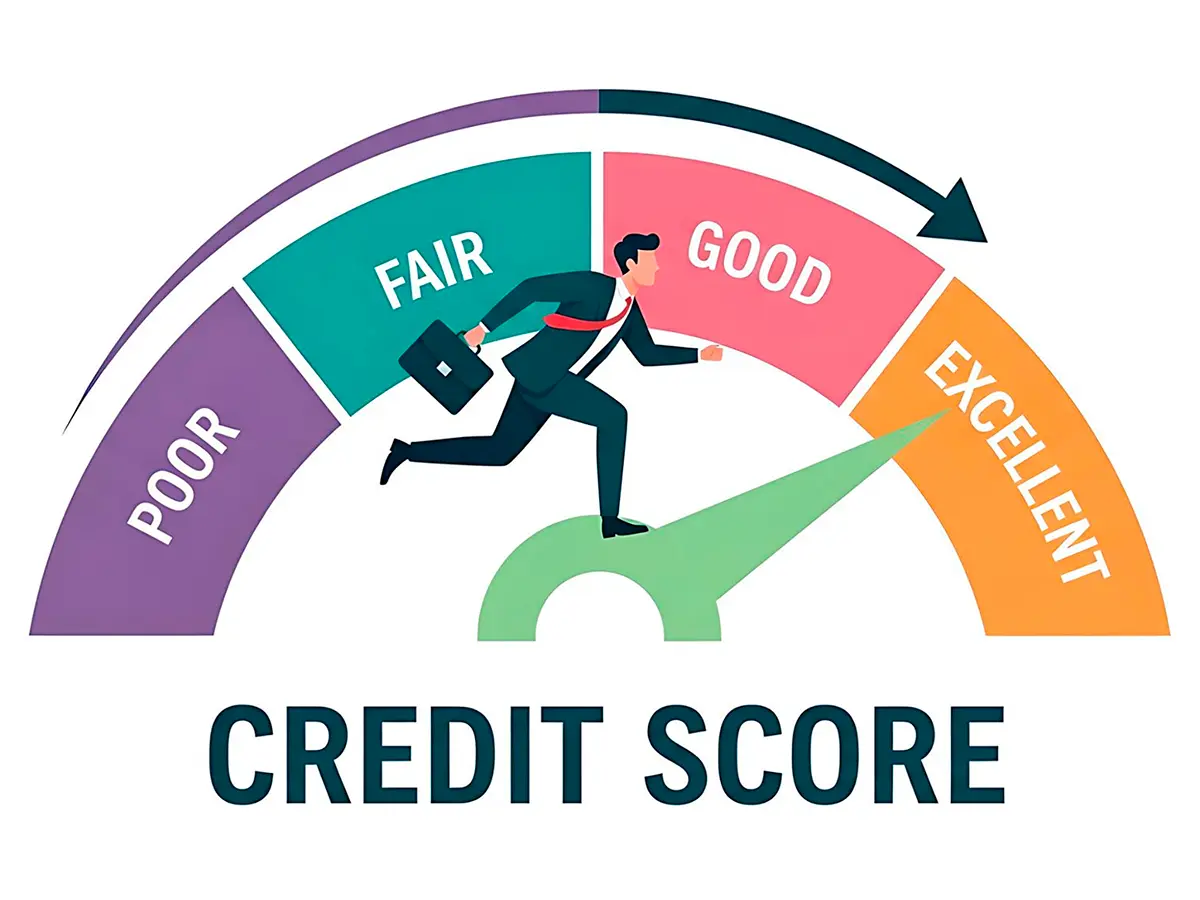
Built around established U.S. credit reporting practices and dispute procedures under the Fair Credit Reporting Act (FCRA). No unrealistic promises—just clarity, documentation, and structured credit improvement.
Unlock more options
Choose the outcome you care about. We’ll outline what improves it—and what to watch for—so you can move forward with confidence.
Your path to stronger credit
A stronger credit profile can mean better approval odds, improved loan terms, and more financial flexibility. Get a clear, no-fluff overview of what credit improvement can help you achieve — then take the next step when you're ready.
Credit decisions in the U.S. are typically influenced by payment history, utilization ratios, account age, recent inquiries, and the accuracy of reporting across major credit bureaus.
Even small inconsistencies can affect lending algorithms. A structured credit improvement approach focuses on verified data, responsible usage patterns, and consistent financial behavior.
*Results vary. This page does not guarantee outcomes.
How it works
A straightforward workflow used by reputable credit‑support programs: review, challenge what’s questionable, and build stronger habits while updates are processed.

Review your starting point
Clarify your goal and look at what’s currently affecting approvals and terms.

Identify what can be challenged
See what information is typically needed, what to expect next, and how the workflow usually looks.

Move forward
Continue to explore available options and take the next step toward better credit outcomes.
start your own credit repair on a lean budget
What credit repair really is
Credit repair, at its simplest, means correcting errors and rebuilding positive habits across the three major bureaus - Experian, Equifax, and TransUnion. Scores (FICO and VantageScore) respond to the same core levers: payment history, utilization, age of credit, mix, and new inquiries. Progress is rarely instant, yet meaningful movement can show within a few cycles if you keep actions focused and low-cost.
Set simple priorities
Think "fix what's wrong, pay on time, keep balances light." That covers most of the lift.
- Pull and freeze. Get your full reports, then place free security freezes to prevent surprise accounts; thaw only when you apply.
- Triage issues. Highlight identity errors, duplicate accounts, wrong late payments, and outdated negatives. Note balances that push utilization above 30% (or better, under 10%).
- Dispute cleanly. File targeted disputes with each bureau; include proof. Online works, but a brief letter by mail can be clearer.
- Handle debts strategically. Validate collections, consider goodwill requests for isolated lates, and negotiate settlements you can keep. "Pay for delete" exists, though it's not guaranteed.
- Build positives. Use a secured card or credit-builder loan, report rent or phone payments if available, and pay in full monthly.
- Automate. Autopay minimums, set reminders for statement dates, and keep old, $0 cards open to preserve age.
- Monitor without obsessing. Check changes monthly; different models vary a bit, which is normal.
Documents and disputes, simplified
A solid dispute is short: state the item, explain what's wrong, and request correction or deletion. Keep the tone factual - calm usually travels farther.
- Proof of identity: driver's license and a utility bill
- Account evidence: statements, payment confirmations, or correspondence
- Police/FTC identity theft report if applicable
- Dates and amounts circled for quick review
Low-cost tools in the market
You can stitch together a complete toolkit for little or no money.
- Free bureau disclosures and dispute portals
- Bank and card dashboards with free FICO or VantageScore
- Secured cards with refundable deposits and no junk fees
- Credit-builder loans from community banks or credit unions
- Rent/phone reporting services with modest fees
- Nonprofit credit counseling for budgeting and hardship plans
One real-world moment
On a rainy Thursday, you open your report, spot a 90-day late that isn't yours, and send a three-sentence letter with a statement screenshot. Thirty-four days later, the bureau removes it; your utilization tweak the next week adds a few more points - not dramatic, but clearly forward.
Keep costs under control
- Set a tiny monthly budget: postage, one low-fee reporting tool, maybe a secured card deposit.
- Avoid high-fee "guaranteed" services; results can't be guaranteed.
- Apply sparingly; each hard inquiry nudges scores, slightly.
Timeline and expectations
Disputes usually resolve in 30 - 45 days. Utilization improvements reflect on the next statement cycle. Building thick, positive history is steadier - think 6 - 12 months for visible stability, often faster for small wins.
When to get extra help
If you face lawsuits, complex identity theft, or large medical/utility collections, talk to a nonprofit counselor or legal aid. Otherwise, a DIY path - focused on errors, on-time payments, and low balances - covers most needs.
Keep it simple, set priorities, and move one step at a time. Quiet progress, month after month, is the affordable way to repair and then protect your credit.
9 Steps to Starting a Credit Repair Business - 1. Know Your Why - 2. Complete All Your Credit Repair Business Requirements - 3. Identify Your ...
Ultimately, the goal is to invite the client to a free consultation where you will explain the credit repair process, how the bureaus work, give them a general ...
Isn't credit repair services just fee grabbers? There is nothing a credit repair service can do that a individual cannot. Most of these services ...
Frequently asked questions
A clear next step — without the guesswork
See what’s impacting approvals and what may deserve a closer look.
Understand how disputes are structured and what documentation matters.
Improve utilization, consistency, and long-term credit stability.
See what improving your credit could change
Take a structured next step based on your current profile — and decide with clarity.